1925
Pinotage is created in Stellenbosch.
Professor Abraham Izak Perold crossed Pinot Noir with Cinsaut, then commonly called Hermitage in South Africa. The name Pinotage combines Pinot with the ending of Hermitage.
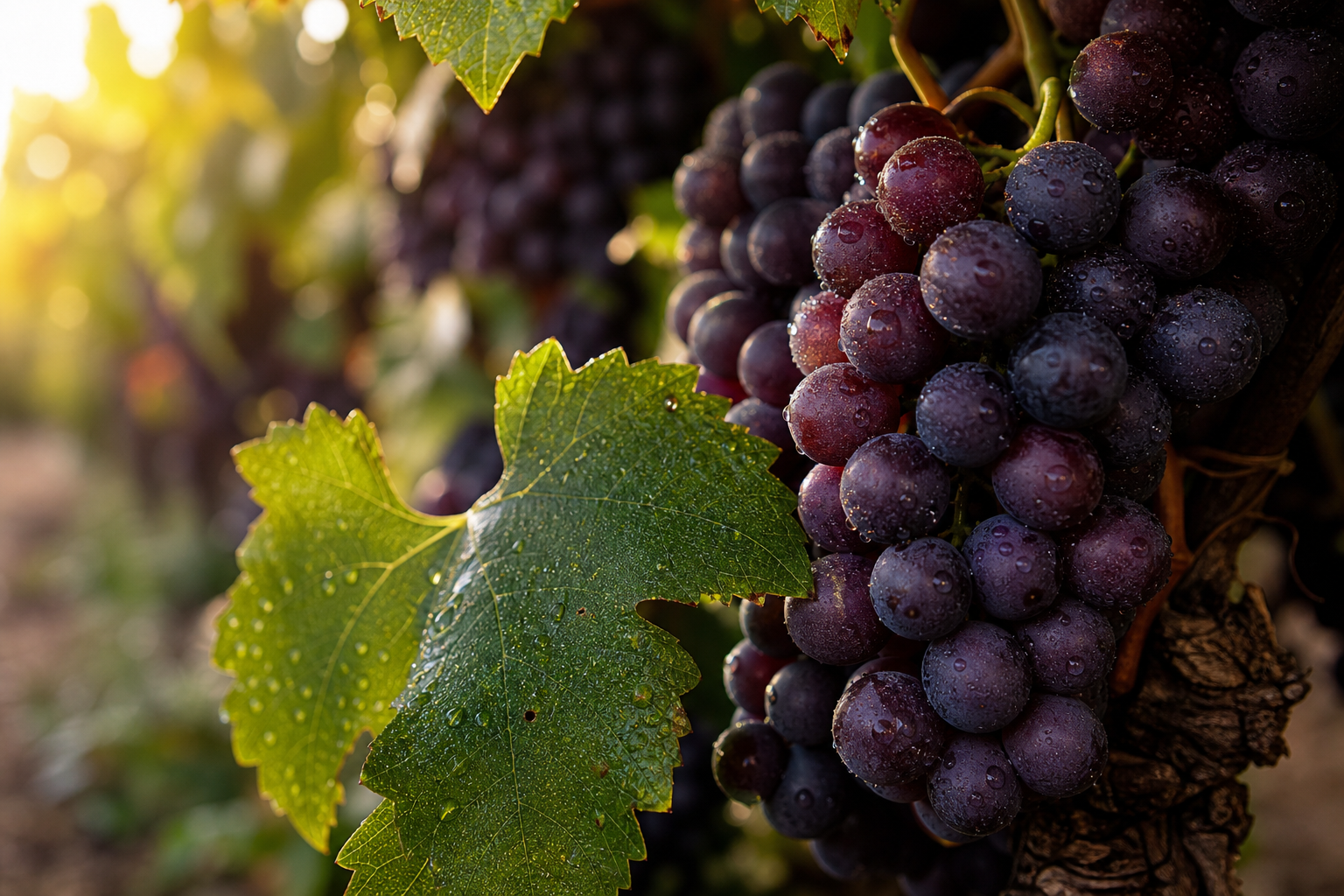
The Pinotage Varietal
A practical guide to Pinotage history, tasting technique, aroma clues, texture, serving temperature, and food pairing.
What It Is
Pinotage is known for a profile that can move from juicy and fruit-led to deeply structured, depending on vineyard decisions, ripeness, fermentation, and oak treatment.
A red wine grape closely associated with South African wine culture.
Often dark-fruited, with black cherry, plum, blackberry, or bramble notes.
Frequently described through smoky, earthy, spicy, or cocoa-like impressions.
Styles can be fresh and fruit-driven or bold, structured, and oak-aged.
History
Pinotage is a modern South African crossing, not an ancient European variety. Its reputation has moved through experimentation, commercial success, uneven quality periods, renewed producer focus, and a centenary revival.
1925
Professor Abraham Izak Perold crossed Pinot Noir with Cinsaut, then commonly called Hermitage in South Africa. The name Pinotage combines Pinot with the ending of Hermitage.
Late 1920s
After Perold left Stellenbosch University, the experimental material was preserved and later propagated, allowing the new variety to move from a small crossing into vineyard trials.
1940s-1950s
Pinotage moved from experimental material into South African vineyards. Producers including Bellevue and Kanonkop became part of the grape's early commercial story.
1959-1961
Lanzerac is widely associated with the first bottled Pinotage, with the 1959 vintage later released under the Lanzerac name in the early 1960s.
1995-1997
The Pinotage Association was formed in 1995, followed by the inaugural Pinotage Top 10 Competition in 1997, giving the variety a dedicated platform for quality recognition.
2025
The grape's 100-year milestone prompted renewed attention, producer stories, awards coverage, and events focused on South Africa's signature red variety.
How to Taste
Pinotage can show fruit, smoke, oak, coffee, spice, earth, and texture at the same time. The trick is to slow the glass down and separate what you smell from what you feel.
Tilt the glass over a white surface. Purple edges suggest youth; garnet or brick tones can suggest age or oxidation.
The first quiet sniff captures delicate fruit and any obvious smoke, earth, or volatile notes before oxygen changes the wine.
Group what you smell into fruit, oak, spice, earth, and fermentation notes instead of hunting for one perfect word.
Take a small sip and let it spread across your tongue instead of swallowing immediately. Notice acidity, tannin, alcohol warmth, body, and finish.
With the wine still in your mouth, draw in a small, gentle breath over it. This aerates the wine and carries aromas toward the back of the nose, helping smoke, spice, coffee, fruit, oak, and creamy notes separate more clearly.
Many wine professionals spit during tastings so they can stay clear-headed while evaluating multiple wines. After spitting, notice what remains: fruit, tannin grip, warmth, bitterness, smoke, or a long savory finish.
Smoke, reduction, oak sweetness, and fruit can shift after five to fifteen minutes. Good complexity becomes clearer, not muddier.
Taste beside grilled meat, mushrooms, aged cheese, or spiced vegetables. Food can reveal fruit, tannin, smoke, and savory depth.
Flavor Map
Tasting notes are comparisons, not ingredients. A wine that smells like smoke, butter, coffee, or plum does not necessarily contain those things; the words help describe aromas, texture, and winemaking influences.
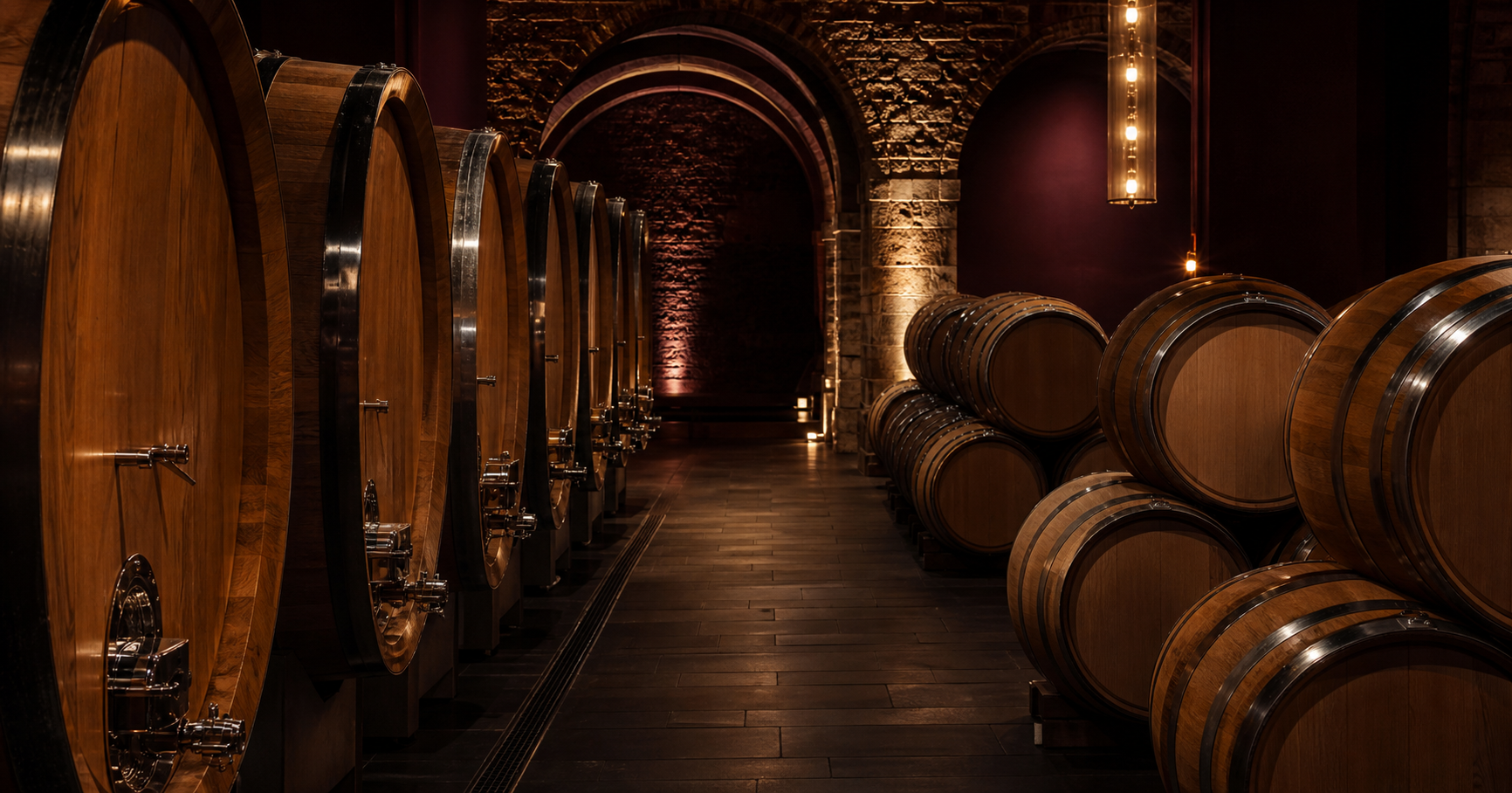
At the Table
A lightly cool serving temperature, roughly 60-65 degrees F, helps Pinotage show fruit and structure without feeling heavy. Pair fruit-driven styles with grilled vegetables or mushroom dishes, and reserve richer bottles for steak, duck, braised meats, aged cheeses, and savory stews.
Learn More
FAQ
Short answers for visitors learning about Pinotage and how this referral guide works.
Pinotage is a red wine grape created in South Africa in 1925 by crossing Pinot Noir with Cinsaut, then commonly called Hermitage locally.
Pinotage often shows dark fruit such as plum, black cherry, and blackberry, with possible smoky, earthy, spicy, coffee, cocoa, or oak-driven notes depending on style.
No. Some Pinotage wines show smoky or roasted notes from oak, winemaking, or savory grape character, while others are fresher, fruit-led, and less smoky.
No. Pinotage.com is a referral and education guide. Bottle cards and winery references link to producer or source websites where visitors can check current availability.
Further Reading
These references informed the history and tasting education on this page.