Stellenbosch
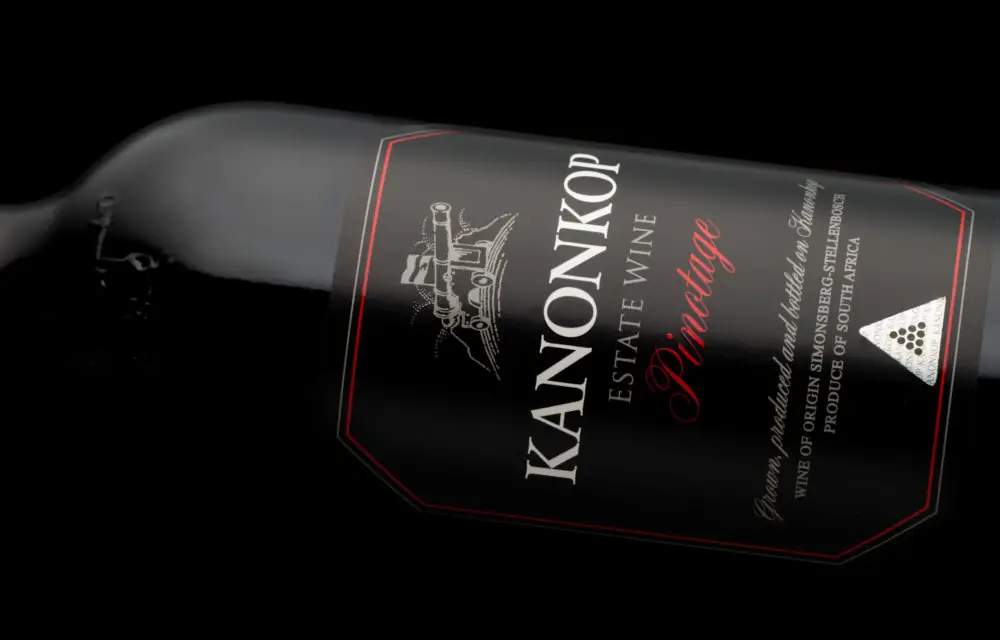
Black Label Pinotage
Kanonkop Wine Estate
A flagship Pinotage reference from Kanonkop, presented by the estate with old-vine and Simonsberg/Stellenbosch context.
Style cue: Structured, age-worthy, dark-fruited
Visit Kanonkop
Buying Guide
Six producer-linked bottles across classic, heritage, coffee-chocolate, and fruit-forward styles, plus a practical way to pick by taste, occasion, budget, and gift.
Referral Picks
There is no single best Pinotage. The grape, a 1925 Stellenbosch University cross of Pinot Noir and Cinsaut made by Abraham Perold, is made in a wide range of styles, from juicy, early-drinking reds to dense, oak-aged wines built for the cellar. The six bottles below are not a ranking: each shows a distinct side of the grape and links to the producer's own page for current details.
Disclosure: Pinotage.com is a referral and education guide. Some outbound links may become affiliate, sponsored, or referral links. Read the affiliate disclosure.
Stellenbosch
Kanonkop Wine Estate
A flagship Pinotage reference from Kanonkop, presented by the estate with old-vine and Simonsberg/Stellenbosch context.
Style cue: Structured, age-worthy, dark-fruited
Visit Kanonkop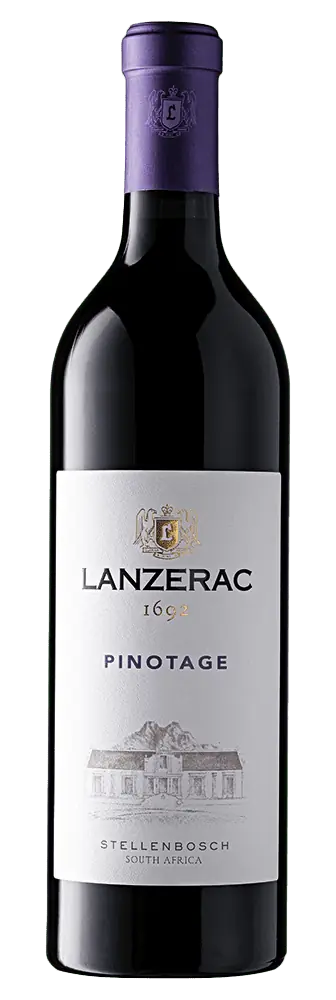
Jonkershoek Valley, Stellenbosch
Lanzerac Wine Estate
Lanzerac connects its Pinotage bottling to the estate's heritage as an early home for bottled Pinotage.
Style cue: Heritage-led, polished, classic
Visit Lanzerac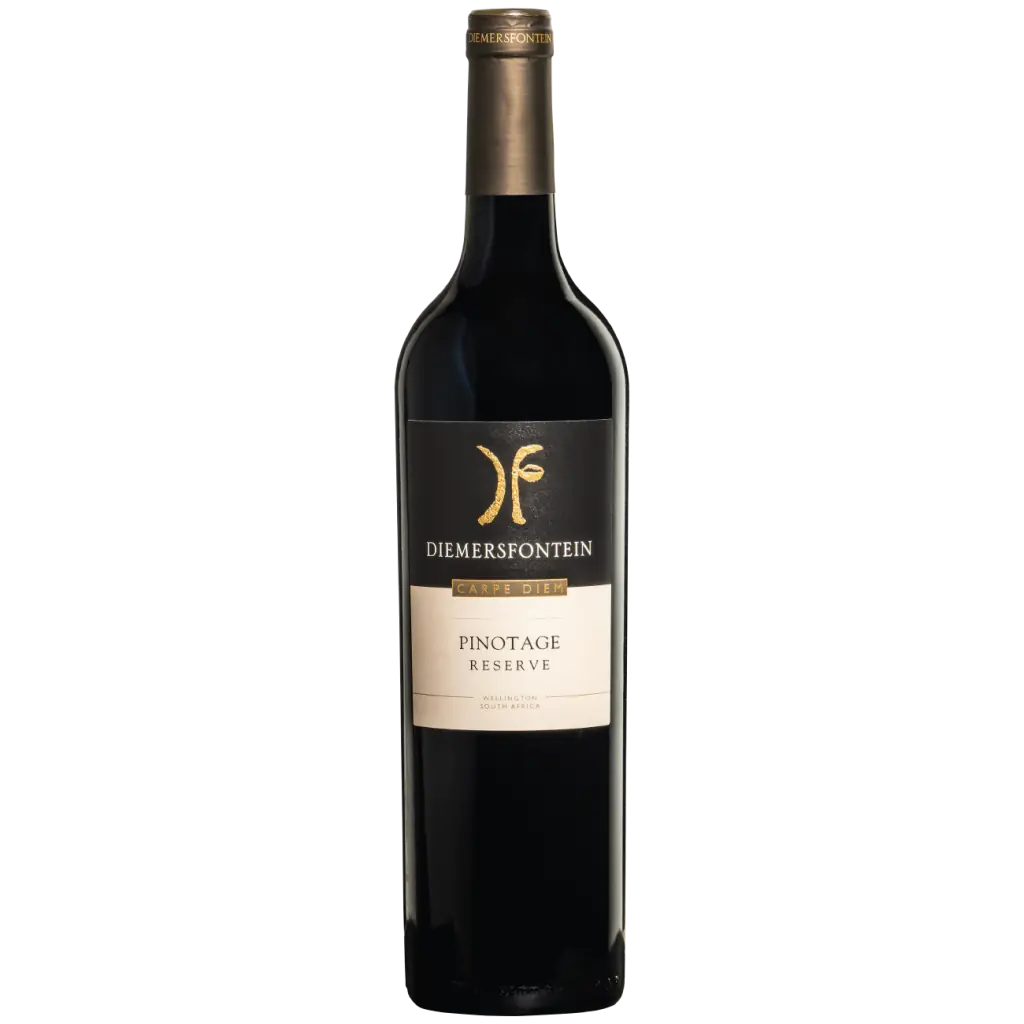
Wellington
Diemersfontein Wine & Country Estate
Diemersfontein describes this 100% Pinotage through coffee, dark chocolate, mint, baked plum, and velvety tannins.
Style cue: Coffee-chocolate, plush, expressive
Visit Diemersfontein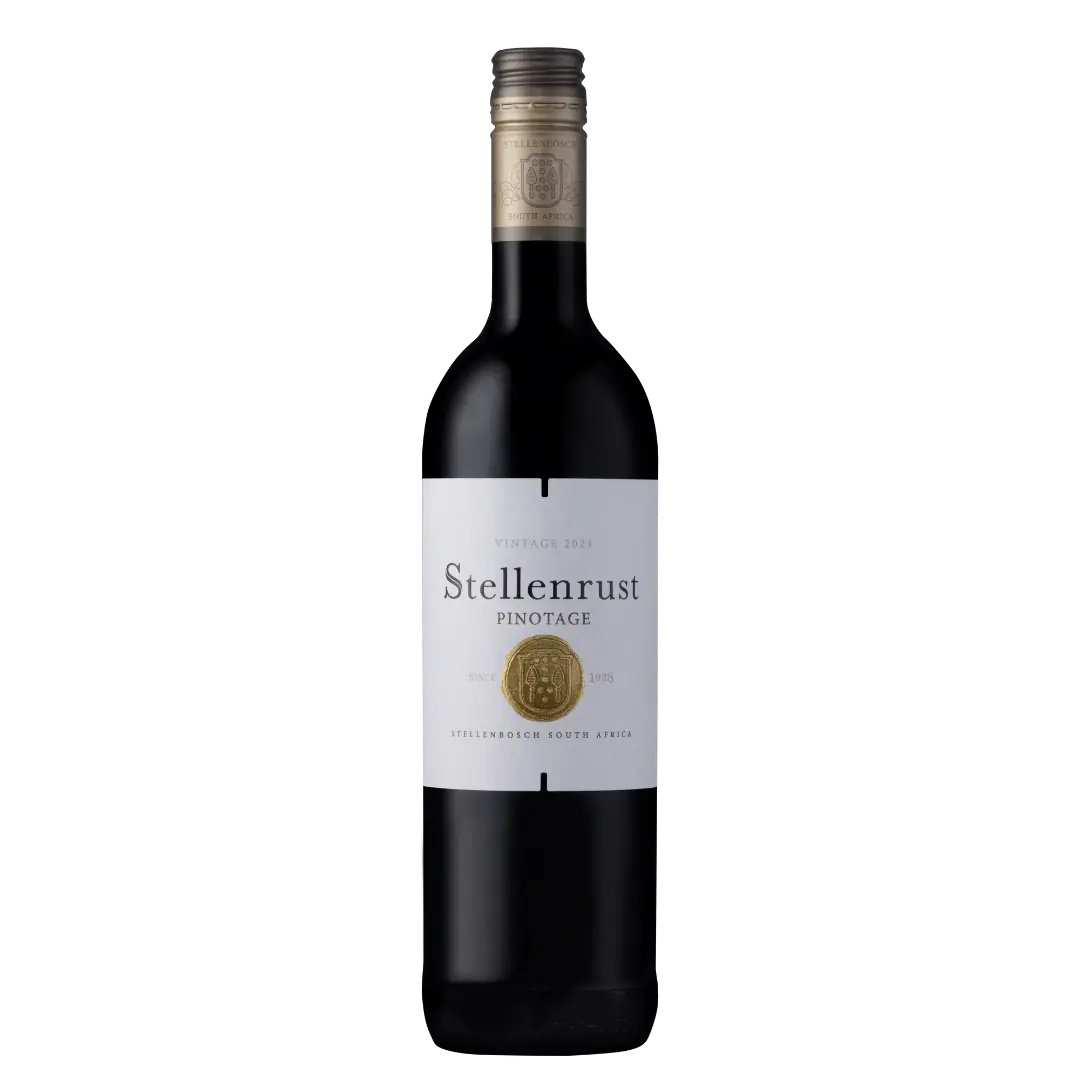
Stellenbosch
Stellenrust Wines
Stellenrust describes Pinotage from Helderberg Golden Triangle and Bottelary fruit, matured in French oak.
Style cue: Raspberry, black cherry, subtle oak
Visit Stellenrust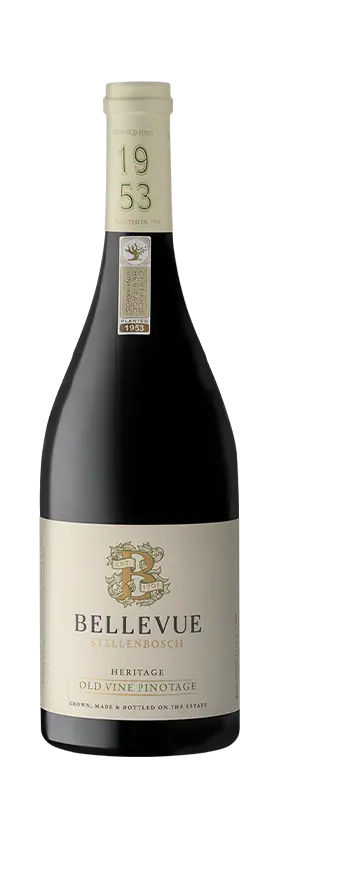
Bottelary, Stellenbosch
Bellevue Wine Estate
Bellevue frames its Pinotage collection around old-vine and early commercial Pinotage heritage.
Style cue: Old-vine heritage, concentrated, savory
Visit Bellevue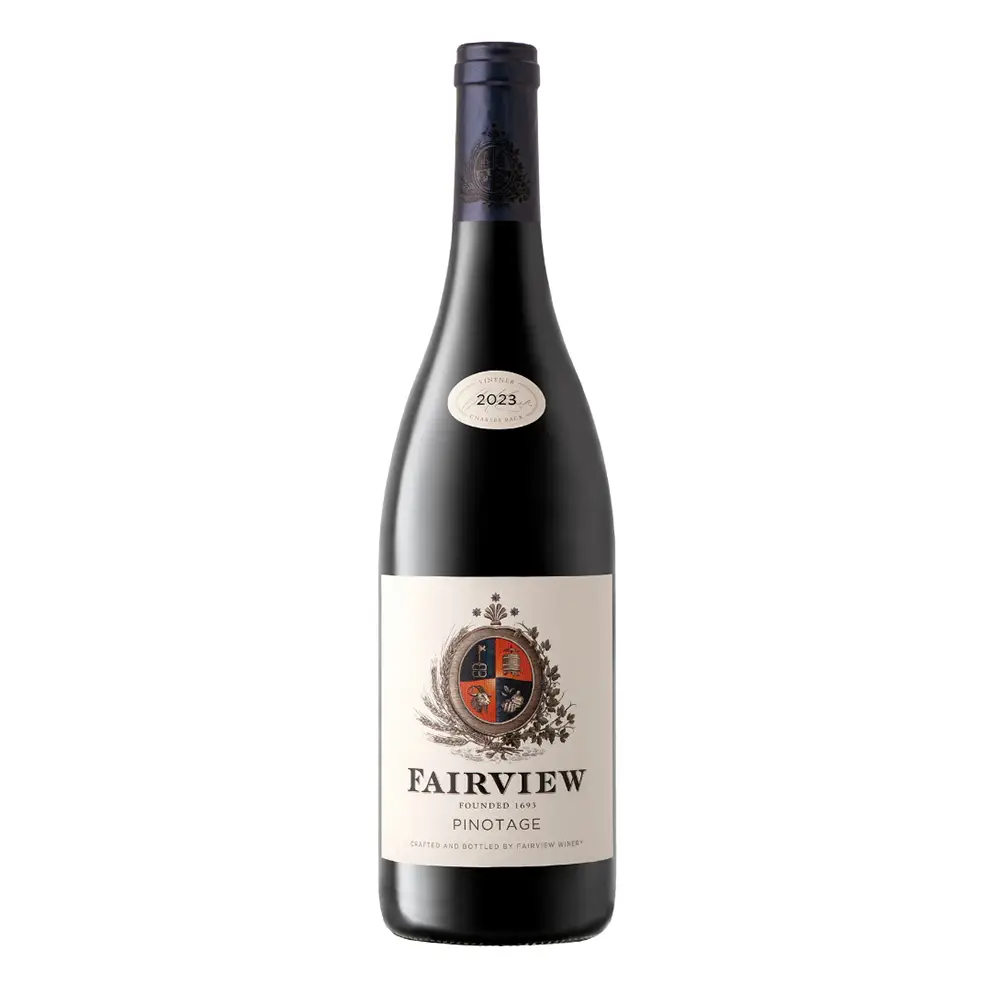
Paarl / Cape winelands
Fairview
Fairview lists Pinotage among its Cape vineyard plantings and publishes Pinotage as part of its red wine range.
Style cue: Cape-grown, fruit-led, accessible
Visit FairviewKanonkop Black Label is the reference point for serious, age-worthy Pinotage. Kanonkop presents it with old-vine context from the Simonsberg side of Stellenbosch. It shows how far the grape can go in structure and concentration: a cellar and special-occasion wine, not a first taste.
Lanzerac Pinotage carries the grape's founding story. The first commercially bottled Pinotage was released under the Lanzerac label in 1961, made from Bellevue grapes, and the estate in the Jonkershoek Valley still ties its bottling to that heritage. Expect a polished, classic style that suits a dinner table and a history-minded guest.
Diemersfontein's The Original Coffee Chocolate Pinotage from Wellington is the most recognizable example of the plush coffee-chocolate style. Choose it for drinkers who like round, expressive reds.
Stellenrust Pinotage draws on Helderberg Golden Triangle and Bottelary fruit and is matured in French oak. Its raspberry and black cherry profile with subtle oak makes it a good middle path: more depth than an entry bottle, without heavy toast.
Bellevue 1953 Pinotage comes from the Bottelary estate whose grapes made the first commercial Pinotage, and whose Pinotage won the grape's first award at the 1959 Cape Wine Show. Expect a concentrated, savory, old-vine style.
Fairview Pinotage from Paarl is the friendly entry point here: Cape-grown, fruit-led, and accessible, and the bottle to open with friends who have never tried the grape.
Choosing
Start with the kind of red the drinker already likes, then match the occasion. Pinotage usually shows dark fruit such as plum, black cherry, and blackberry. Depending on vineyard and winemaking, it can lean bright and juicy, smoky and savory, or rich with coffee and cocoa from oak. Read the producer's tasting note, the region, and any mention of oak or old vines.
As a rule, fruit-led Pinotage wants a slightly cool serve and simple food, while structured, oaked bottles want a decanter, red meat, and time.
| Style | What it tastes like | Best occasion | Bottles above that fit |
|---|---|---|---|
| Fruit-forward | Black cherry, plum, berry, soft tannin, light oak | Weeknight dinners, barbecue, first tastings | Fairview, Stellenrust |
| Coffee-chocolate | Mocha, dark chocolate, baked plum, velvety texture | Casual gatherings, grilled meat, people who like plush reds | Diemersfontein |
| Classic and polished | Dark fruit with balanced oak and freshness | Dinner parties, roast lamb, a heritage talking point | Lanzerac |
| Old-vine and structured | Concentration, firm tannin, savory depth, ageability | Cellaring, celebrations, steak or game | Kanonkop Black Label, Bellevue 1953 |
For food matches by dish, see the Pinotage food pairing guide. For a fuller picture of the flavors, read what Pinotage tastes like.
First Bottle
A good first Pinotage is balanced, clearly labeled, fairly priced, and easy to drink with food. Fruit-forward and softer styles make the best introduction because they show the grape's dark-cherry and plum core without the firm tannin or heavy oak of a cellar wine.
A simple path works well. Start with an accessible, fruit-led bottle such as Fairview's. If you enjoy it, try a wine with a little more depth and oak, like Stellenrust's raspberry and black cherry style. If you like richer, sweeter-seeming reds, try Diemersfontein's coffee-chocolate Pinotage next. Save Kanonkop Black Label or an old-vine Bellevue bottling until you know you like the grape.
Serve a beginner bottle a little below room temperature, roughly 60 to 64°F (16 to 18°C). Pair it with something forgiving: burgers, grilled sausages, pizza, or mushroom dishes.
Pinotage has a mixed reputation, and some older or less carefully made bottles drew criticism for harsh, smoky, or paint-like notes. Modern fruit-led examples are a far better first impression. The story behind that debate is told in why Pinotage is controversial, and the Pinotage tasting guide helps you put words to what you taste.
Price Tiers
In US shops, many everyday Pinotage bottles sit in the under-$25 range, while premium, old-vine, single-site, or award-recognized bottles can cost considerably more. The same wine can be priced very differently from one state or retailer to the next.
Several things push a bottle up or down the ladder. Producer reputation and vineyard source matter most: wines from named old vines, bush vines, or well-known Stellenbosch sites are made in smaller amounts. Oak aging adds cost, since barrels and time in the cellar are expensive. Import costs, vintage, scarcity, and retailer shipping rules also play a part.
A higher price usually buys more structure and aging potential, not necessarily more pleasure on a Tuesday night. Before ordering, compare current listings in the where to buy Pinotage in the US directory, and check that the vintage and bottle size match what you expect. Availability and vintages change, so always confirm the details on the listing itself.
Value
A good value Pinotage should be fresh, balanced, and clearly varietal. Expect a fruit-forward style that emphasizes black cherry, plum, berry fruit, spice, and smooth texture rather than heavy oak or long cellaring potential.
Shop for clarity. Choose bottles with a named producer, a vintage, a region, and a real tasting note. Freshness matters more for value reds than for premium ones, so favor recent vintages and avoid dusty or heat-exposed bottles.
Most value Pinotage is best enjoyed young, within a few years of the vintage, for fruit and freshness. Follow the producer's guidance when it gives one. Value bottles are also the cheapest way to learn the grape before moving on to reserve, old-vine, or cellar-focused wines.
Premium
Premium Pinotage is defined by more than its price. The signs to look for are a specific vineyard source, old-vine or bush-vine material, careful oak, balance, structure, a producer with a long Pinotage track record, and the ability to develop with age.
Vineyard source comes first. Serious bottlings usually name a site, a vine age, or a notable area such as Simonsberg, Bottelary, or the Helderberg rather than a generic regional label. Old vines tend to give smaller crops of more concentrated fruit, which is why Kanonkop and Bellevue both put old-vine context at the center of their flagship wines.
Structure and balance come next. The best serious Pinotage balances dark fruit, tannin, acidity, oak, and savory complexity, and neither alcohol nor toast takes over. Oak can add cedar, cocoa, coffee, smoke, vanilla, and texture, but in a premium wine those notes support the fruit rather than cover it.
Many structured Pinotage wines can age, especially from serious producers, but cellaring potential depends on the specific bottle and on cool, steady storage.
Producers
Pinotage was born in South Africa and most of the world's Pinotage is still made there, so producer names are the most reliable way to shop. Searching a producer plus "Pinotage" usually turns up better bottle pages, retailer listings, and award references than searching the grape alone.
The names below are a starting list, not a complete one. For a wider directory, see Pinotage wineries, and for regional background read Pinotage in South Africa.
| Producer | Area | Known for | Official site |
|---|---|---|---|
| Kanonkop | Stellenbosch (Simonsberg) | Benchmark estate Pinotage, old-vine Black Label, age-worthy reds | kanonkop.co.za |
| Lanzerac | Jonkershoek Valley, Stellenbosch | Label of the first commercial Pinotage bottling (1961); heritage-led style | lanzerac.co.za |
| Bellevue | Bottelary, Stellenbosch | Grew the grapes for the first commercial bottling; old-vine heritage wines | bellevue.co.za |
| Beyerskloof | Stellenbosch | A producer strongly associated with Pinotage and Pinotage-led red blends | beyerskloof.co.za |
| Diemersfontein | Wellington | The best-known coffee-chocolate Pinotage | diemersfontein.co.za |
| Stellenrust | Stellenbosch | Pinotage from Helderberg and Bottelary fruit, French oak | stellenrust.co.za |
| Fairview | Paarl | Accessible, fruit-led Pinotage within a broad Cape range | fairview.co.za |
| KWV | Paarl | Large South African producer; The Mentors range includes award-linked Pinotage | kwv.co.za |
Ratings
Ratings are useful when you keep apart professional scores, competition medals, retailer notes, community opinions, and actual availability.
A score applies to one wine, one vintage, and one tasting. It does not carry over automatically to the next vintage, to a producer's other bottlings, or to a retailer listing that shows a different year.
Competitions vary in what they judge and how. Broad international events such as the Decanter World Wine Awards, the International Wine Challenge, and the IWSC judge Pinotage alongside wines from everywhere, while the Absa Top 10 Pinotage competition, run with the Pinotage Association, is devoted to the grape. A medal should always come with its year, the judging body, the wine name, and the vintage. The Pinotage awards index lists results in that form, with links to their sources.
Read reviews critically. Retailer descriptions are written to sell, and community ratings reflect personal taste: someone who dislikes smoky reds will mark down a smoky Pinotage doing exactly what it should. The most useful review describes the style, not just a number. A highly rated bottle may also be sold out, allocated, or listed under a newer vintage, so confirm stock before you plan around it.
Gifts
A Pinotage makes a good gift because it comes with a story: a grape created in South Africa in 1925 and still closely tied to the Cape, which many wine drinkers have never tried. The best gift bottles have a clear producer story, a reliable listing, and a style that fits the person receiving it.
Match the recipient. For someone who loves rich, round reds, the Diemersfontein coffee-chocolate style is an easy win. For a collector or a serious wine drinker, an old-vine or flagship bottling such as Kanonkop Black Label or Bellevue 1953 makes a more lasting impression. For a host, a classic, food-friendly bottle like Lanzerac or Stellenrust fits the dinner table.
Use the label story. Lanzerac's link to the first commercial Pinotage of 1961 and Bellevue's role in growing those grapes give you something to say when you hand the bottle over.
Think about the vintage. A meaningful year, such as a wedding or a birth, suits a structured wine that can age, provided it has been well stored. For a bottle to open soon, a recent fruit-forward vintage is safer. Old-vine bottlings are the strongest choice for gifts meant to be cellared.
Before buying, confirm the exact bottle, vintage, price, and shipping or pickup rules on the retailer's page, since wine shipping rules differ by state.
FAQ
It depends on style and budget. For a benchmark, look to respected South African producers, old-vine or estate bottlings, award-recognized wines, and bottles with clear vintage and source information. For everyday drinking, a fresh, fruit-forward bottle is often the better choice.
No. Some Pinotage wines show smoky or roasted notes from oak, winemaking, or savory grape character, while others are fresher, fruit-led, and less smoky.
No. Pinotage.com is a referral and education guide. Bottle cards and winery references link to producer or source websites where visitors can check current availability.
Related Guides